Compounding Is Not FDA Approval — What the Difference Actually Means
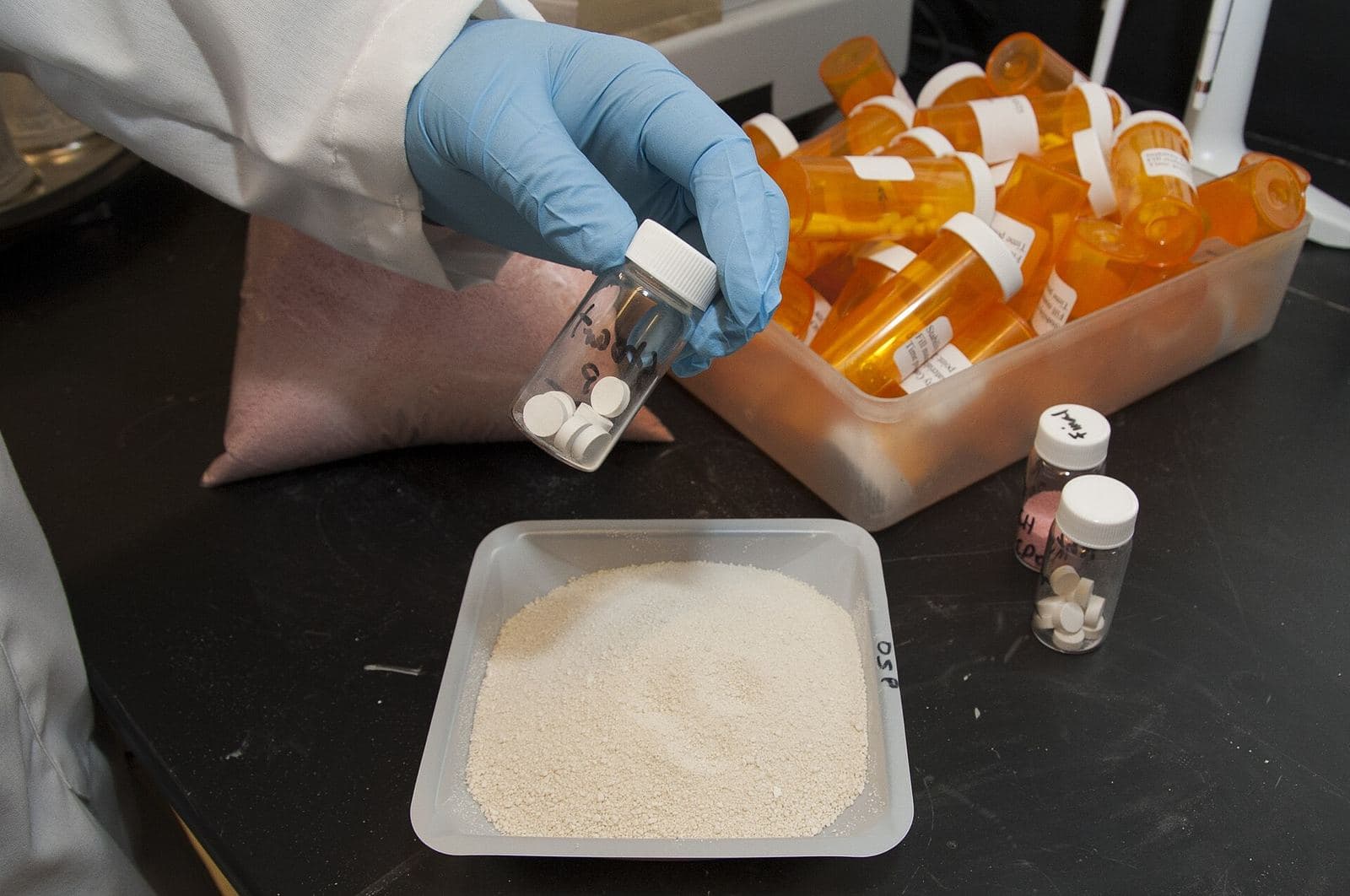
A compounded drug is not an FDA-approved drug. The FDA does not review compounded products for safety, effectiveness, or manufacturing quality before they reach a patient. That single distinction decides what has been tested, what a seller may legally claim, and what recourse exists when something goes wrong.
Last reviewed
If you take one thing from this site, take this: compounding is a permission to prepare a medicine, not a verdict that the medicine works.
The confusion is not accidental. A compounded product arrives with a prescription, from a pharmacy, in medical packaging. Every signal a patient uses to judge legitimacy is present. The one signal that is missing — an FDA review of that specific product — is invisible.
What FDA approval actually certifies
When the FDA approves a drug, it has reviewed evidence that the drug works for a specific use, in a specific population, at a specific dose, and that its benefits outweigh its risks. It has also reviewed how the drug is manufactured, and it inspects the facility that makes it.
Approval is granted to a product for an indication. It is not granted to a molecule in the abstract. This is why the same active ingredient can be FDA-approved in one form and not approved in another.
What compounding is
Compounding is the preparation of a medicine tailored to an individual patient — historically, a pharmacist making something a manufacturer does not supply: a liquid version for a patient who cannot swallow pills, or a formulation without an allergen.
Compounded drugs are not FDA-approved. The agency does not verify their safety, effectiveness, or quality before they reach a patient.
Compounded — not FDA-approved
Available through compounding. Compounding is not FDA approval: the specific compounded product is not FDA-reviewed for safety, efficacy or manufacturing quality.
Status verified
That is not a claim that compounded drugs are unsafe. Compounding is legal, long-established, and genuinely necessary for some patients. It is a claim about what has and has not been checked.
Where the distinction bites
Three practical consequences follow, and they are the reason this page exists:
- Testing. An approved product has been through trials for its indication. A compounded version of the same active ingredient has not — the evidence behind the molecule does not transfer to the preparation.
- Manufacturing. Approved drugs are made in inspected facilities under defined quality standards. Compounding operates under different rules, and those rules differ again between a traditional pharmacy and a larger outsourcing facility.
- Recourse. Adverse-event reporting, recall machinery and liability all work differently when a product was never approved.
The sentence to watch for
Marketing rarely states an untruth outright. It relies on adjacency:
"Contains the same active ingredient as [approved brand]."
That sentence can be entirely accurate and still leave a reader believing something false. The same active ingredient in a different preparation, made under different controls, at a dose nobody reviewed, is not the same product — and "same active ingredient" is not "FDA-approved".
What to do with this
When you see a peptide or a medicine offered, the useful question is not "is this legal?" — plenty of things are legal and untested. The useful questions are narrower:
- Is this product, in this form, approved for this use?
- If it is compounded, what is being claimed about it, and by whom?
- Who carries the liability if it is wrong?
We track the answer to the first question for every compound we cover, with the date we last checked it, on the FDA status tracker.
Sources
The peptide story, reported straight
Every Friday. Independent coverage of the science, the safety and the FDA story. No vendors, no affiliate links, no hype.
Unsubscribe anytime. We never sell your address.