FDA Warning Letter Calls Empower Pharmacy's Vitamin-Added GLP-1 Compounds 'Essentially Copies'
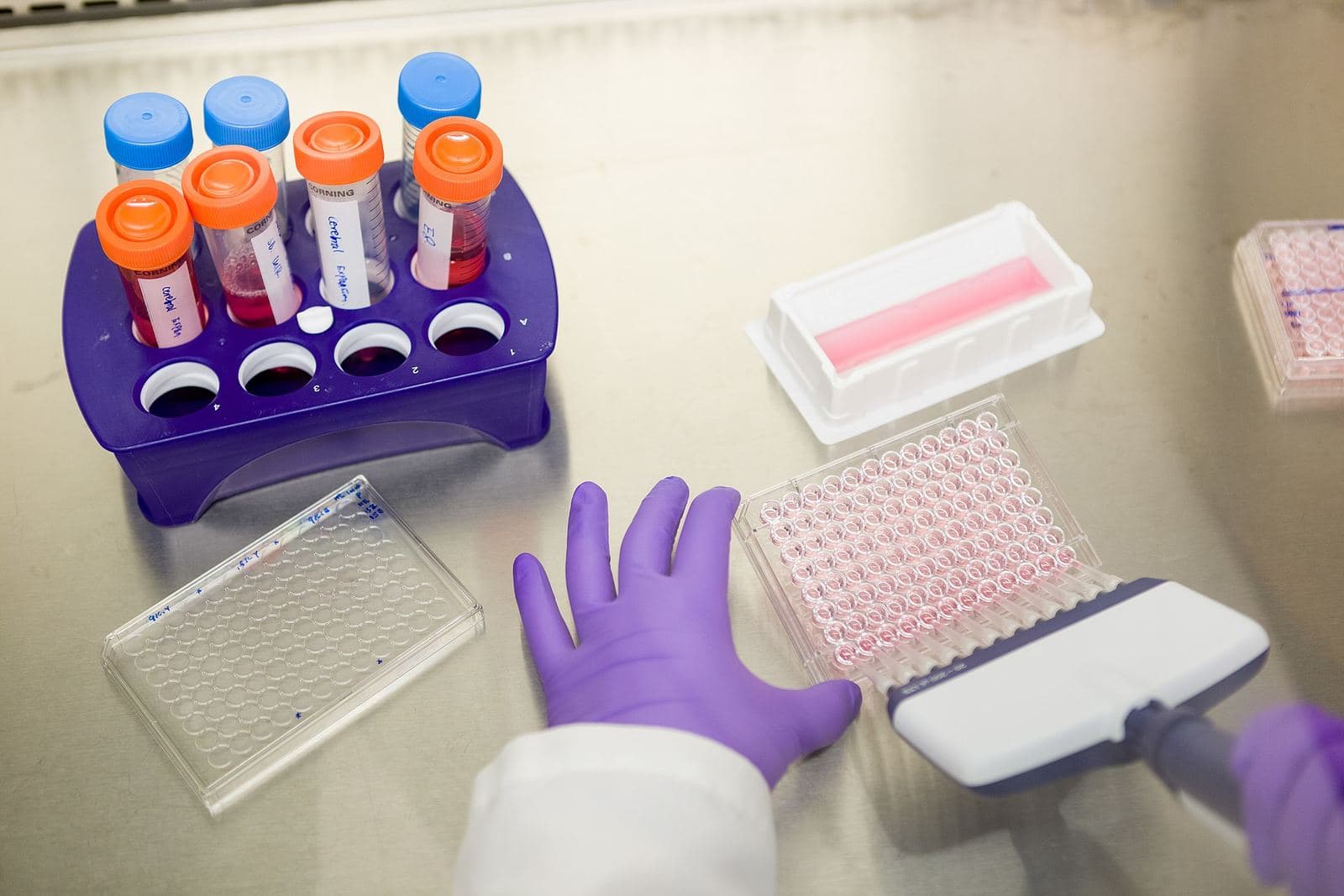
An 18 September 2026 FDA warning letter says Empower's semaglutide and tirzepatide vitamin combinations appear to be essentially copies of approved drugs.
Last reviewed
On 18 September 2026, the FDA issued a warning letter to Empower Clinic Services, LLC, doing business as Empower Pharmacy in Houston, stating that its tirzepatide-niacinamide and semaglutide-cyanocobalamin (vitamin B12) products "appear to be essentially copies" of FDA-approved drugs, and that the volume produced suggests the differences are "pretextual."
The letter, number 738238, was signed by Clint L. Narver, director of the Office of Compounding Quality and Compliance in the FDA's Center for Drug Evaluation and Research. It follows an inspection of the Houston facility from 3 to 14 November 2025. The agency's web page for the letter shows it as current as of 22 September 2026.
The products named in the letter pair a GLP-1 ingredient with a vitamin. That is the same kind of combination the FDA used as its own worked example of an "essentially a copy" product in its April 2026 compounding statement, discussed below.
What the FDA says it found
The letter is addressed to a pharmacy compounding under section 503A of the Federal Food, Drug, and Cosmetic Act. That route covers state-licensed pharmacies filling prescriptions for individually identified patients. It is separate from 503B outsourcing facilities. One condition of 503A is that a pharmacy must not compound "regularly or in inordinate amounts" drugs that are essentially copies of a commercially available product. A copy is exempt only when a prescriber decides that a change produces a "significant difference" for an identified individual patient.
The FDA names three products:
- Tirzepatide/niacinamide, 4 mL, 17/2 mg/mL
- Semaglutide/cyanocobalamin, 1 mL, 5/0.5 mg/mL
- Tirzepatide/niacinamide, 2.5 mL, 8/2 mg/mL
The letter says Empower compounded and filled orders for each product every month from July through October 2025. The FDA redacted the quantities. The letter states: "The volume of products you are producing suggests that differences between products you are compounding and the FDA-approved products are pretextual."
The agency describes three kinds of evidence:
- prescriptions with no prescriber determination of significant difference;
- "significant difference" statements that "appear to be repeated verbatim across many records," which the FDA says suggests they "may be pre-generated for selection by the prescriber";
- the volume of the products themselves.
The letter adds that "third-party technology platforms that provide prescribers with pre-selected menu options" for a significant-difference statement call the individual nature of those decisions into question.
On that basis, the FDA concludes that the products do not qualify for the 503A exemptions. It calls them "ineligible drug products" and says they are unapproved new drugs, misbranded because their labelling lacks adequate directions for use, and subject to current good manufacturing practice (CGMP) rules.
Sterile-production findings
The letter also cites insanitary conditions, which the FDA says apply "regardless of whether" a product meets 503A. Its examples include inadequate smoke studies to show one-way airflow in the ISO 5 area and media fills that "were not performed under the most challenging or stressful conditions." It lists five CGMP violations, including failures to monitor environmental conditions in aseptic processing areas and to validate aseptic and sterilization processes. The FDA says some of Empower's responses to the November 2025 Form FDA 483 "appear adequate." It calls others deficient: for media fills, it says the summary report "does not appear to match" the number of vials inspected in the underlying records.
The FDA asked for a written response within 15 working days. It warned that failing to address the violations "may result in legal action without further notice, including, without limitation, seizure and injunction."
The policy behind the letter
On 1 April 2026, the FDA updated its GLP-1 compounding statement. It said it may consider a semaglutide-plus-vitamin B12 compound to be essentially a copy when it is given by the same route as the approved products and each ingredient is within 10% of the strength of its approved counterpart. The same statement says the FDA does not currently intend to act when a compounder fills four or fewer prescriptions of such a product in a calendar month.
A footnote in the Empower letter repeats that the FDA's enforcement discretion for 503A compounding of copies of these drugs ended on 5 March 2025 for tirzepatide injection products and on 24 April 2025 for semaglutide injection products. The April statement also says neither substance currently appears on FDA's drug shortage list or the 503B Bulks List.
What this does not say
- It is not a final enforcement action. A warning letter states the FDA's position and invites a response. The FDA says it is "not intended to be an all-inclusive statement of violations." Empower may dispute the findings. No court has ruled on them.
- It does not ban compounded GLP-1s. It applies the "essentially a copy" test to specific products at one pharmacy. It does not reach every 503A pharmacy or every combination product.
- It says nothing about how well the products work. The letter makes no clinical findings on these compounds. Compounded drugs are not FDA-approved, and the FDA has not evaluated them the way it evaluates approved products.
- It is not the 503B Bulks List decision. The bulks-list proposal concerns outsourcing facilities and is a separate proceeding. As of 28 September 2026, the Federal Register's FDA listings show no final notice since the 26 June 2026 comment-period extension.
This article reports regulatory actions. It is not medical advice. Questions about a specific prescription belong with a licensed clinician or pharmacist.
Related
Sources
- 1.FDA — Warning Letter to Empower Clinic Services, LLC dba Empower Pharmacy, MARCS-CMS 738238 (18 September 2026)
- 2.FDA — FDA clarifies policies for compounders as national GLP-1 supply begins to stabilize (updated 1 April 2026)
- 3.Federal Register — List of Bulk Drug Substances for Which There Is a Clinical Need Under Section 503B; Extension of Comment Period (26 June 2026)
The peptide story, reported straight
Every Friday. Independent coverage of the science, the safety and the FDA story. No vendors, no affiliate links, no hype.
Unsubscribe anytime. We never sell your address.